


If you've ever stepped into a modern elevator-whether it's in a sleek downtown office tower, a luxury apartment building, or a boutique hotel-you've probably noticed that the walls don't look like plain old metal panels anymore. A lot of the time, those polished, vibrant, or subtly reflective surfaces are back painted glass. I'm the owner of a back painted glass supplier, and I get asked all the time: "What makes back painted glass good enough for elevators? It just looks pretty, right?" Spoiler alert-nope. This stuff has to hold up to way more than just a few glances from passersby. Let's break down the real durability and aesthetic requirements that keep elevator back painted glass from cracking, fading, or looking like a mess after six months of constant use.
First, let's talk durability. Elevators are tiny, high-traffic environments, even if you don't think about it. They're slammed shut 20 times an hour, they get bumped by rolling suitcases, strollers, and even the occasional shopping cart, and they swing between extreme temperature and humidity swings-like when you go from a 70-degree office to a 10-degree lobby on a snowy day. On top of that, there's the random stuff: people leaning against the walls with their keys, coffee spills, hand sanitizer that drips (yes, even in elevators!), and those weird scuffs from shoes that barely fit through the doors. So the glass can't just be a thin sheet with paint on the back-it has to be built like it's going to get used hard.
One of the first durability checks is the glass substrate itself. If you skimp on thickness, you're asking for trouble. Thin glass (like 6mm or less) bends too easily when bumped, which can lead to cracks or chips at the edges. That's why we stock multiple thickness back painted glass, ranging from 8mm to 12mm, depending on the elevator's size and how much traffic it sees. For a high-rise office elevator that gets 100+ trips a day, 10mm or 12mm is non-negotiable-it's rigid enough to resist dents from accidental bumps and doesn't flex when the elevator lurches to a stop. The substrate also has to be tempered, right? Tempered glass is four to five times stronger than regular glass, and when it does break, it shatters into small, rounded pieces instead of sharp shards. That's a safety must for elevators, where people are crammed in tight. You don't want someone getting cut if a glass panel cracks mid-ride.
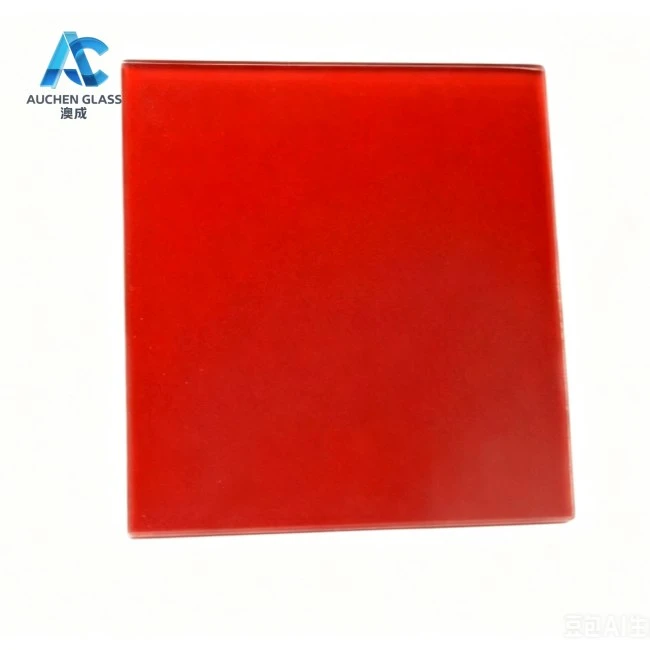

Next up is the paint layer-this isn't just your interior wall paint. Back painted glass for elevators has to be scratch-resistant, stain-resistant, and immune to UV damage, because even elevators with no natural light get exposed to UV from the overhead lights or lobby windows. Cheap paint will scratch when you drag a suitcase over it, or fade to a dull gray after a year of being under fluorescent lights. The paint we use (we only work with high-performance automotive-grade and architectural paints) is cured at high temperatures to bond tight to the glass-no peeling, no bubbling, even when humidity is through the roof. We tested a batch of our lacquered glass a while back with a steel wool scrub test, and even after 50 rough passes, there were barely any scuffs. That's the kind of stuff you need in an elevator, where cleaning crews are spraying disinfectant or wiping down walls daily.
Another durability factor people sleep on is edge processing. If you don't smooth the edges of the glass, they're sharp and prone to chipping when the elevator doors swing shut (yes, that happens more often than you'd think-someone is always rushing to catch the elevator and slams their bag into the door). We grind and polish all our edges, and then we add a small bevel to the corners to eliminate any sharp points. Some suppliers skip this step to save time, but that's a ticking time bomb-chip an edge on an elevator panel, and you've got a safety hazard that'll cost the building manager a fortune to fix, plus downtime for the elevator. We also seal the edge paint with a clear coat to keep moisture from seeping between the paint and the glass-if moisture gets in there, the paint will blister and peel, and there's no quick fix for that.
Now let's switch to aesthetics-because let's be real, elevators are supposed to feel nice, not just functional. A back painted glass panel in an elevator is a tiny, enclosed space, so every detail matters. It's not just about picking a color; it's about how that color looks in low light, how it reflects light, and how it fits with the building's overall vibe. For a luxury hotel, you might want a deep navy or a warm bronze that feels rich, but you don't want it to look flat or muddy. For a modern office, something crisp like white or light gray that makes the small space feel bigger is ideal. But here's the thing: the color has to be consistent, even across multiple panels. If you install three glass panels and one is slightly different, it's super obvious in an elevator. That's why we use ultra clear back painted glass as the base for most projects-clear glass doesn't have any green or blue tint that would throw off the paint color, so every panel matches perfectly. I've seen a client get burned before because they used regular clear glass and two panels came out with different shades of gray; they had to rip out all the panels and start over, which cost them way more than if they'd just used ultra clear in the first place.
Lighting is another big aesthetic piece. Elevators usually have recessed overhead lights or small wall sconces, so the glass has to look good in that kind of dim, directional light. If the paint is too thick, it'll look opaque and heavy in low light, making the elevator feel claustrophobic. If it's too thin, you'll see the faint tint of the glass underneath, which can make the color look off. We adjust the paint thickness based on the elevator's lighting: for a dimly lit old building, we use a slightly thinner paint layer that lets a hint of the glass's clarity come through, but for a bright, modern elevator with LED strip lights, we go a little thicker to make the color pop without looking harsh.
Also, elevators are shared spaces-they're seen by everyone who works or visits the building, so they can't look dated in a year. That means avoiding trendy colors that will feel outdated fast, but still staying modern. We always ask clients about the building's brand and aesthetic when we help them pick colors: a tech startup might want a bold, vibrant red or blue, while a law firm would go for something more understated like charcoal or cream. We also work on custom tinted finishes for clients who want something one-of-a-kind-like a soft matte finish that doesn't show fingerprints (huge win for elevator walls, where people touch everything) or a subtle metallic sheen that catches light without being gaudy.
Wait, let's not forget about installation, because even the best back painted glass won't look good or last long if it's installed wrong. We're not just a supplier-we work with installers to make sure they do it right for every project. Elevator walls have to be perfectly aligned, because if one panel is off by even a quarter inch, it'll throw off the whole look. Also, when installing back painted glass, you have to use the right adhesive-no cheap construction glue here. We recommend using a neutral-cure silicone that doesn't react with the paint, because some adhesives can leach chemicals and make the paint fade or turn yellow over time. We've had a client who tried to save money on adhesive, and within three months, the bottom edge of the glass started to yellow-we fixed it, but it was a hassle they didn't need.
I get it, when you're a building manager or an architect, you're juggling a million things: budgets, timelines, safety codes. Back painted glass for elevators might seem like a small part of the project, but it's the thing that people notice most when they walk in. A well-done elevator feels sleek, welcoming, even when you're just going up three floors. A cheap, flimsy glass panel feels cheap and unprofessional, and it'll need to be replaced way sooner than it should.
Let's circle back to what I said at the start: durability and aesthetics for elevator back painted glass aren't separate-they go hand in hand. If you pick thin glass with cheap paint to save money, it might look good for a month, but it'll scratch, fade, or chip within a year, costing you more in repairs. If you pick super thick glass but paint it with a color that doesn't fit the space, it'll feel out of place, no matter how durable it is. That's why we make sure every product we supply checks both boxes: our multiple thickness back painted glass gives you the rigidity you need, our lacquered glass is scratch and stain-resistant, our ultra clear back painted glass ensures color consistency, and our back painted glass for decoration is made to fit the exact vibe of your building.
At the end of the day, elevator back painted glass isn't just a wall covering-it's part of the passenger's entire experience. When someone steps into an elevator and thinks, "Wow, this feels nice," chances are they're noticing the glass. If you're working on a project and want to make sure you get the right back painted glass for your elevator-something that holds up to daily use and looks great for years-hit us up. We don't do one-size-fits-all; every elevator is different, and we'll help you pick the perfect combination of durability and aesthetics for your space.


