


Hey there! If you've ever walked into a modern office on a super hot summer day and wondered why the windows don't feel like a giant oven, or noticed how a cozy home stays warm all winter without your heating bill skyrocketing, chances are screen printed glass played a part. I've been in the screen printed glass game for about 8 years now, and let me tell you-when people ask me how our work affects a building's energy efficiency, it's not just about "pretty patterns" (though that's a bonus). It's about science, design, and cutting down on those monthly utility bills. Let's break it down, no jargon promise.
First off, let's get one thing straight: screen printed glass isn't just decorative (though we make that too-check out Silk Screen Printing Decorative Glass for those funky, custom patterns that add character without slacking on performance). The "screen printed" part means we use a fine mesh to apply a ceramic-based ink to the glass in precise, controlled patterns. That ink gets baked on at super high temps, so it's durable-no fading, no peeling, even after years of sun and rain. But here's the kicker: those tiny ink dots or lines aren't just for looks. They act like a thermal filter, messing with how heat moves through the glass.
Let's talk about two big types of heat that buildings deal with: solar heat and conductive heat. Solar heat is the sun's rays beating through windows-this is what makes your living room turn into a sauna in July. Conductive heat is when heat from outside (or inside) moves through the glass itself, like how a metal spoon gets hot when you leave it in coffee. Screen printed glass targets both, depending on how we apply the ink.
For commercial buildings, especially in sunny climates, the big win is blocking unwanted solar heat. When we print a high-density, metallic ceramic ink (think silver, bronze, or even dark gray dots) on the inner or outer surface of the glass, those dots reflect up to 50% of the sun's infrared rays back out. Infrared is the stuff that carries most of the sun's heat-so by bouncing that away, the glass doesn't transfer as much heat into the building. I had a client a few years back: a 10-story office in Phoenix that was spending $12k a month on AC before they switched to our Silk-screen Tempered Glass for Architecture. Within a year, their cooling bills dropped 28%. That's not small change-enough to cover a whole new office breakroom, for crying out loud.
But wait, it's not just about blocking heat. In cold climates, we can adjust the ink pattern to retain indoor heat instead of letting it escape. The ceramic ink has low thermal conductivity, so it slows down conductive heat transfer through the glass. Plus, if we pair screen printed glass with double-glazed units (two panes with a gas gap in between), those printed dots help trap warm air in the gap, acting like a tiny insulation layer. A residential customer in Minnesota told me last winter their heating bill was $400 less than the previous year-they used our Silk Screen Printing Glass for their living room and master bedroom windows. That's a huge difference for a small house.
Another thing people don't realize: screen printed glass helps with lighting too, which indirectly saves energy. The ink dots diffuse sunlight instead of letting it be harsh and direct. So instead of glare making you squint at your computer screen (and making you pull the blinds down, which means you have to turn on the lights), the light spreads evenly across the room. That means less artificial lighting during the day-another energy win. I've seen offices that cut their lighting use by 15-20% just from switching to screened glass. It's a double whammy: no glare, no extra electricity for lights.
Wait, but is it all about thick, dark dots? No way. We can customize the ink density and pattern for every project. For a boutique hotel in New York City, they wanted floor-to-ceiling windows that looked sleek, not like something out of a 1980s office. So we used a fine, almost invisible silver dot pattern-you barely notice the print, but it still blocks 35% of solar heat. That's where Silk Screen Printed Glass shines (pun intended). It's not an eyesore; it's a performance upgrade that fits the design.
Now, let's get real-there's a myth that screen printed glass is more expensive upfront. Yeah, maybe a tiny bit more than regular clear glass, but over 10-15 years, you save so much on utility bills that it pays for itself. For that Phoenix office, the payback period was about 3 years. After that, it's pure savings. And since it's tempered (if you go for the architectural version, which we highly recommend for safety), it's also more durable than regular glass-less chance of cracks or shattering from temperature changes. So you're not just saving on energy, you're saving on maintenance and replacement costs too.
I should also mention that it's versatile for different building types. For residential, we do smaller windows, sliding doors, even shower enclosures (though for showers, the energy part is secondary-mostly the decorative stuff, but still cool that it works). For schools, we use higher density ink on west-facing windows, which get the most harsh afternoon sun, so classrooms stay cooler for the kids. For museums, we control the light transmission to protect artwork from UV rays and extreme heat-double win, since that also saves on climate control for the exhibit spaces.
But here's a tip: not all screen printed glass is the same. It depends on the ink type, the pattern, and how it's bonded to the glass. Cheap inks might fade over time, which means you lose the heat-blocking properties. That's why we use ceramic ink-baked at over 600 degrees Fahrenheit, so it's fused to the glass forever. No fading, no losing efficiency. We also work with architects to design the exact pattern they need, whether it's a grid, random dots, or a custom logo for a company. It's not a one-size-fits-all product, which is why taking the time to get it right makes all the difference in energy savings.
I once had a architect call me in a panic-they were working on a LEED-certified building and needed to hit strict energy targets. They thought they had to use expensive low-e glass, but when they worked with us, we combined our screen printed glass with a double-glazed unit and hit their energy goals for half the cost. That's the thing: screen printed glass is a cost-effective way to boost a building's energy performance, not just a fancy add-on.
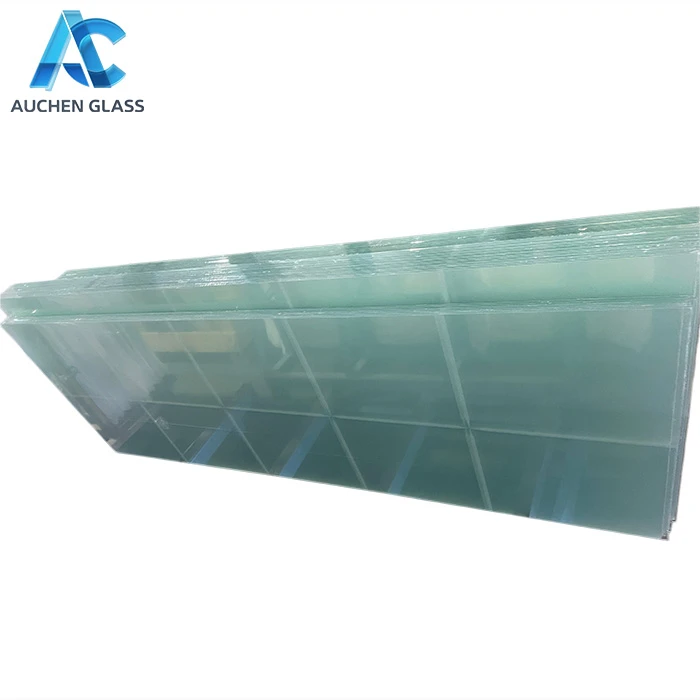
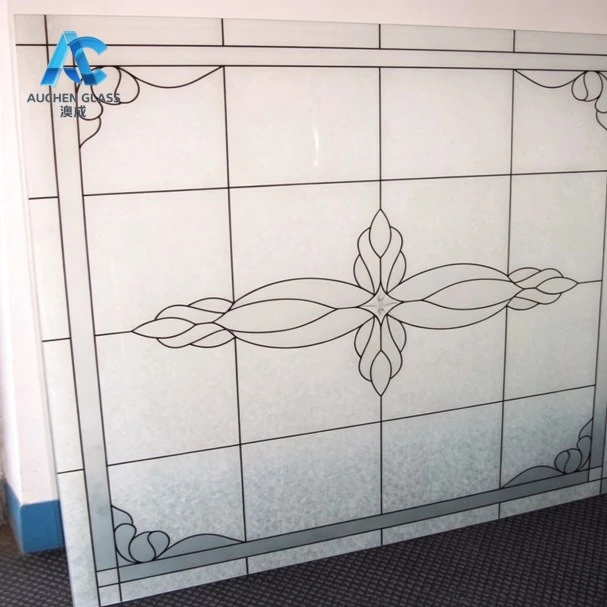
So if you're building a new space or renovating an old one, don't sleep on screen printed glass. It's not just about making windows look good-it's about lowering your carbon footprint (less energy use means fewer emissions) and keeping more money in your pocket. Whether you need a sleek architectural look for a commercial tower, a cozy, energy-efficient home, or a decorative touch that doesn't skimp on performance, we've got you covered.
If you're ready to chat about your project, let's connect. We can talk through your climate, your design goals, and how our screen printed glass can help you save energy (and money) long-term. Don't wait-those utility bills aren't going to pay for themselves.


