


If you've ever stood at the bottom of a staircase in a thoughtfully designed home, boutique hotel, or modern commercial space, chances are the staircase itself felt more like a piece of art than a functional way to move between floors. In recent years, back painted glass has emerged as a game-changing material for staircases, replacing outdated wood, tile, or metal with something that balances durability, safety, and sheer visual impact. As a back painted glass supplier who's worked with architects, interior designers, and homeowners across residential and commercial projects, I've seen firsthand how this material transforms the often-overlooked staircase into a focal point. The aesthetic benefits run far deeper than just a modern look-they're rooted in light, color, transparency, and the ability to adapt to any space's unique personality.
One of the most striking aesthetic advantages of back painted glass for staircases is its mastery of light, a non-negotiable element of good design. Unlike solid materials that block or absorb light, clear glass panels (especially ultra clear back painted glass) allow natural light to flow unimpeded through a multi-level space, while the back-pigmented layer adds a bold, saturated hue that amplifies that light rather than hiding it. Think of a staircase in a sunlit living room: where a solid oak stringer would cast a dark, heavy shadow across each step, back painted glass stringers and risers catch sunlight at every angle, creating shifting glows that feel dynamic and alive, not static and bulky. I recently collaborated on a project for a small downtown condo where a designer wanted to make the compact entry feel more expansive; switching from a wooden staircase to a soft blue back painted glass riser and clear stringers did exactly that-light bounced off the glass, making the 10-foot vertical space feel twice as large, no major renovations required. For areas with limited natural light, a deep, richly pigmented back painted glass can act as a luminous backdrop, turning a dark basement staircase or corridor into a warm, inviting transition instead of a utilitarian afterthought.
Color consistency is another huge win for staircases, where uniformity can make or break a polished look. Traditional staircase materials-wood, tile, even pre-painted metal-are prone to subtle variations: a wooden riser might have a knot that throws off a design's palette, tile batches might have slight color shifts, and metal paint can chip or fade over time, leaving a patchwork look. Back painted glass eliminates this issue entirely. The pigment is applied to the back surface of the glass, a process that seals the color in, so it never chips, scratches, or fades even with heavy foot traffic. Our Lacquered Glass line, for example, uses a high-durability epoxy-based paint that is cured to resist discoloration, meaning a staircase installed 10 years ago will look exactly as vibrant as the day it was put in. This consistency is especially critical for commercial spaces, where brand alignment matters: a boutique hotel might need a staircase that matches the brand's signature green, while a corporate office needs a neutral gray that complements its office furniture, and back painted glass can deliver that exact color, across every panel, no exceptions. I've had designers come to us frustrated after pre-painted metal stringers faded in just two years, only to switch to back painted glass for a staircase that's now a brand staple in their lobby.
Transparency and layering are where back painted glass really shines for creating depth in staircase design. Staircases are inherently vertical, and adding layers of visual interest without cluttering the space is a constant design challenge. Clear back painted glass stringers (the structural supports that run along the side of the staircase) leave the space between steps open, so you can see through to the other side, creating a light, airy feel instead of the heavy, enclosed look of solid materials. But you don't have to sacrifice color to get that transparency: adding a back painted glass riser (the vertical panel between each step) lets you add a pop of color without blocking the view, creating a layered effect that feels intentional, not overwhelming. For a open-concept home, this works beautifully: the staircase acts as a visual divider between the living and dining areas, but the glass keeps the two spaces connected, so the room doesn't feel split apart. Another way to use this layering is for multi-story staircases in commercial spaces: back painted glass balustrades (the handrail supports) can be colored to match the risers, creating a cohesive vertical line that draws the eye up, making the space feel taller and more grand. I worked on a retail store project where we used two-tone back painted glass: the balustrades were a soft white, and each 10th riser was a burnt orange, creating a subtle rhythm that guided customers up to the second floor without being loud or distracting.
Versatility in style is another key aesthetic benefit, since staircases need to fit with a space's overall design-whether that's minimalist, industrial, traditional, or something in between. Some people assume back painted glass is only for modern spaces, but that's far from true. For a rustic farmhouse home, you can pair a frosted back painted glass riser with warm wood steps, adding a soft, muted color that feels cohesive with reclaimed wood and vintage fixtures. For an industrial loft, a dark gray back painted glass stringer paired with metal steps and exposed brick adds a sleek, edgy contrast that feels intentional, not out of place. For a luxury space, the Multiple Thickness Back Painted Glass option lets you play with scale: thicker glass for a grand, statement staircase, thinner glass for a more delicate, understated look in a small entry. This adaptability is why back painted glass for decoration has become one of our most requested lines-designers love that it can be customized to fit any aesthetic, so a staircase isn't just a functional feature, but a piece that ties the entire room's style together. I've even used back painted glass in a Mediterranean-style home, where a soft terracotta riser matched the tile floors and stone walls, creating a seamless flow that felt classic, not trendy.
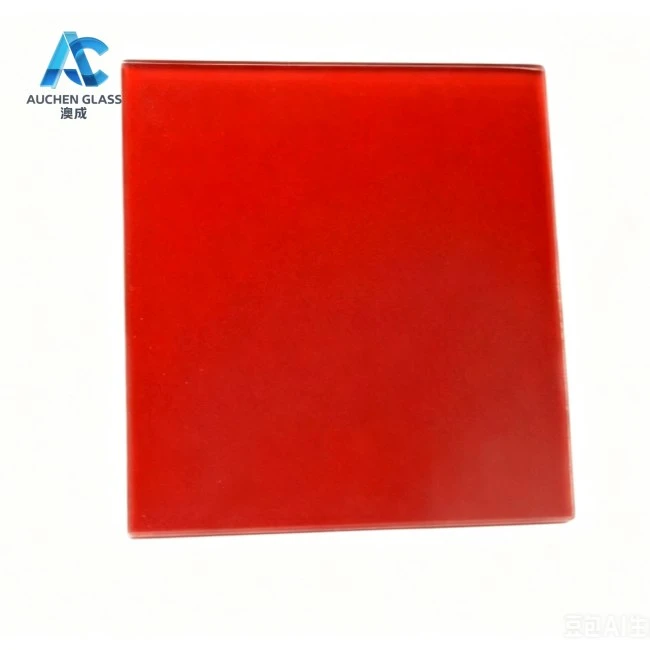

Texture and finish control are often overlooked, but they make a big difference in the final aesthetic of a staircase. Back painted glass comes in a range of finishes-from high-gloss to matte, frosted to textured-each changing how light interacts with the material and how the color reads. A high-gloss back painted glass riser will reflect light, making the color pop even more, which works well in bright, airy spaces where you want the staircase to be a focal point. A matte finish, on the other hand, has a soft, muted look that's perfect for spaces where you want color without being overwhelming, like a bedroom staircase or a quiet home office. Textured back painted glass adds another layer: a slightly bubbled or etched surface will diffuse light, creating a subtle, shifting glow that feels warm and intimate, ideal for a basement staircase or a cozy reading nook with an upper level. One of our favorite projects was a library with a spiral staircase: we used frosted back painted glass with a deep navy color, and the light filtering through the textured glass from a skylight created a soft, ambient light that made the space feel like a quiet retreat, not a passage between floors.
Another less obvious but powerful aesthetic benefit is how back painted glass works with negative space. Staircases have a lot of negative space-under steps, between risers, along the side-and back painted glass can turn that empty space into a visual element instead of a void. A solid wood stringer would cover that space, making the staircase feel bulky and closed in, but a glass stringer leaves that space open, so you can see the floor below, the wall behind, or even artwork leaning against the adjacent wall, creating a sense of openness and flow. This is especially important in small spaces, where overcrowding even a little can make a room feel cramped. I had a client with a 4-foot-wide entryway who wanted a staircase that didn't make the space feel tight; we used clear back painted glass stringers and a light gray riser, and the result was a staircase that added a sophisticated touch without taking up extra visual space. The negative space between the steps let light and sight move through, so the entry felt open, not cluttered.
Durability plays a role in aesthetics too, because a staircase that looks worn or damaged cheapens the entire design. Back painted glass is scratch-resistant, stain-resistant, and moisture-resistant, which means it will look the same year after year, even in high-traffic areas. A wood staircase can get scuffed by shoes, stained by spills, or faded by sunlight; a tiled staircase can chip or crack, and grout can get dirty and discolored. Back painted glass holds up to everything from daily foot traffic to accidental spills, and since the color is sealed on the back, scratches to the front of the glass won't affect the color or look of the staircase. That means you don't have to refinish or replace parts of the staircase every few years, keeping the aesthetic consistent long after installation. For commercial spaces like hotels or office buildings, this is a huge selling point-no maintenance means the staircase stays looking pristine, which is key for making a good impression on guests and clients.
As someone who's spent years helping clients choose the right materials for staircases, I've seen how back painted glass elevates spaces in ways other materials can't. It's not just about a modern look-it's about creating light, depth, consistency, and flow that turn a simple staircase into a standout feature. Whether you're building a new home, renovating a commercial space, or just looking to refresh a dated staircase, back painted glass offers a level of aesthetic versatility and quality that's hard to match. If you're ready to explore how back painted glass can transform your staircase, we're here to help with custom solutions tailored to your space. Reach out to our team to browse our product lines, including Lacquered Glass, Ultra Clear Back Painted Glass, Multiple Thickness Back Painted Glass, and Back Painted Glass for Decoration, to find the perfect fit for your project.


