


If you've ever stood in front of a frost-covered window on a crisp winter morning, admiring the delicate, web-like patterns ice paints on glass, you might have wondered: what if that glass was screen printed, meant to hold up to not just seasonal changes, but years of temperature swings? As a screen printed glass supplier, this question is one I get all the time from architects, builders, and homeowners looking for materials that balance aesthetic appeal with real-world durability. Today, I want to break down what the frost resistance of screen printed glass actually means, what factors shape it, and how our products stack up against the cold.
First, let's start with a quick primer on what screen printed glass is, for anyone new to the term. Silk screen printing on glass is a process where we use a fine mesh screen to apply ceramic-based inks in precise, repeating patterns, logos, or decorative designs to the surface of the glass. The ink isn't just sitting on top-it's fused permanently into the glass during a high-temperature tempering process, which is where its durability really comes from. If you want to dive deeper into how that process works, our page on Silk Screen Printing Glass explains the step-by-step method we use to ensure every print adheres correctly and lasts.
Now, frost resistance in glass comes down to two core things: the glass material itself, and any coatings or treatments applied to it. Frost forms when moisture in the air turns directly to ice on surfaces that are below freezing (usually 32°F or 0°C, but sometimes lower in dry, windy conditions). For glass, the biggest risks from frost aren't the ice crystals themselves, but the way frost can expand, or how temperature fluctuations between day and night can create stress points in the glass. Regular, non-tempered glass is especially vulnerable here-if frost forms on a thin pane and then melts and refreezes, that expansion and contraction can cause small cracks, or even shatter the glass entirely.
This is where screen printed glass, especially tempered screen printed glass, has a big advantage. When we print designs onto glass before tempering it, the tempering process heats the glass to around 620°C, then rapidly cools the surfaces while the core stays warm. This creates internal stress that makes the glass up to four times stronger than non-tempered glass, and far more resistant to thermal shock-the sudden temperature changes that often lead to frost-related damage. For architectural applications, this is a game-changer. Our line of Silk-screen Tempered Glass for Architecture is engineered specifically for exterior use, from building facades to skylights, where frost, snow, and sub-zero temperatures are a regular part of the winter months.
But here's the thing: not all screen printed glass is created equal when it comes to frost resistance. The print itself can impact how the glass performs in cold conditions, if it's not applied or processed correctly. Let's talk about that. Ceramic inks used in screen printing are usually mixed with a binder that burns off during tempering, leaving only the pigment fused to the glass. If we cut corners on the ink quality, or don't heat the glass to the right temperature during tempering, the ink won't bond properly. That can leave tiny gaps between the ink and the glass surface, where moisture can seep in. When that moisture freezes and expands, it can lift the ink, or worse, create stress in the glass that leads to cracking.
At our facility, we test every batch of screen printed glass for this exact issue. We subject samples to repeated freeze-thaw cycles-standard tests involve cycling between -40°F (-40°C) and 100°F (38°C) dozens of times, to simulate months of winter and summer temperature swings. After 50 cycles, our samples show no ink peeling, no glass cracks, and no visible signs of damage. That's because we use only high-grade ceramic inks designed for glass, and our tempering process is calibrated to ensure full ink adhesion. If you're looking for decorative screen printed glass for interior use, like wall panels or room dividers, our Silk Screen Printing Decorative Glass line also goes through these freeze-thaw tests, even though interior glass rarely faces extreme cold-we think it's better to over-engineer for durability than to regret it later.
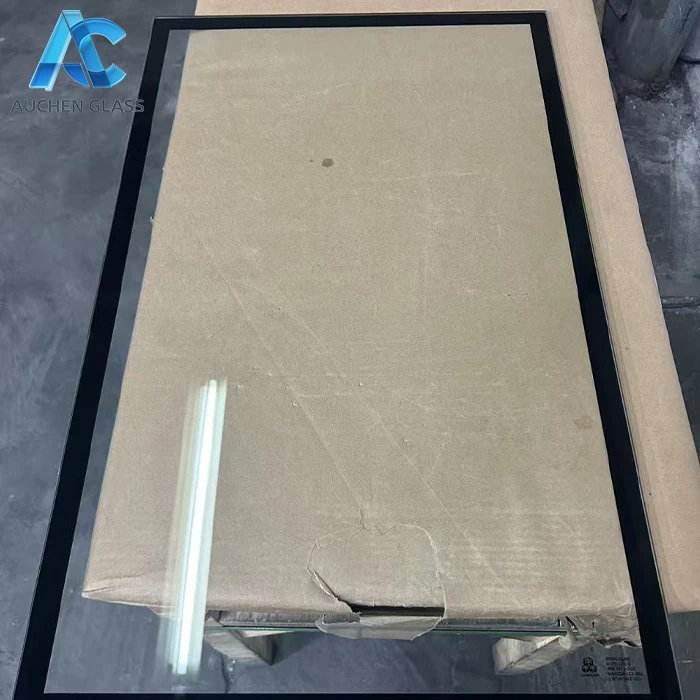
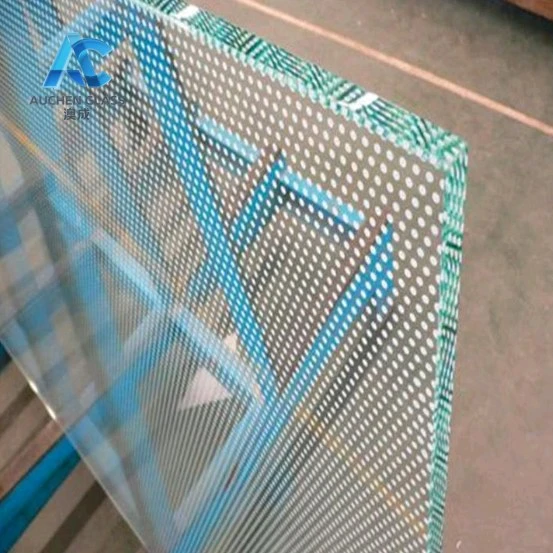
Another factor that affects frost resistance is the type of glass substrate we use. Most of our exterior screen printed glass is made from float glass, which is the standard high-quality glass used in windows and building materials. But we also offer low-iron glass for applications where clarity is key-like storefronts where you want the screen print to stand out without any green tint. Does low-iron glass have the same frost resistance as standard float glass? Yes, as long as it's tempered the same way. The iron content doesn't impact thermal stress resistance, so that choice comes down to aesthetic preference rather than durability.
Wait a minute-what about double-glazed or insulated units? If screen printed glass is used in an insulated glass unit (IGU), that changes how frost resistance works, too. In an IGU, the air between the two panes is sealed, so condensation and frost on the inside of the unit is much less common than on a single pane. But if there's a seal failure in the IGU, moisture can get trapped between the panes, and frost can form there. For screen printed glass used in IGUs, we always recommend tempering both panes, even if only one has a print. That adds an extra layer of strength, and reduces the risk of the glass cracking if the trapped frost expands. We've seen too many cases where builders skip tempering the second pane to cut costs, and end up with expensive replacements when winter hits.
I get it-frost resistance is just one part of choosing the right screen printed glass. Architects and designers care about how the print looks, how durable it is against UV rays (screen printed glass is UV-resistant, by the way, because the fused ceramic ink doesn't fade like paint), and how it fits their design vision. That's why our Silk Screen Printed Glass line comes in a huge range of colors, patterns, and custom sizes-we can match almost any design you have, while still ensuring it will hold up to even the harshest winter conditions.
Let me share a real example to put this in perspective. Last winter, we had a client in Minneapolis, Minnesota, order 500 square feet of our tempered screen printed glass for a commercial building facade. That area sees temperatures regularly dropping to -20°F, with wind chills well below zero, and heavy snowfall. A lot of the local contractors were recommending laminated glass for the facade, but our client chose our tempered screen printed glass, and after three months of extreme cold, they reported no issues-no cracks, no peeling ink, no frost damage. That's exactly the result we want for every client.
So, what should you look for when choosing screen printed glass for cold climates? First, make sure it's fully tempered. Non-tempered screen printed glass is not designed to handle thermal stress from frost, and it will be far more likely to crack. Second, ask about the ink type. Ceramic inks are the only ones that should be used for exterior applications-acrylic or latex inks will peel when exposed to moisture and cold. Third, ask about freeze-thaw testing. A reputable supplier should be able to show you test results for their products, to prove they can handle repeated temperature swings.
If you're working on a project that will be exposed to cold weather, or you just want to learn more about how our screen printed glass can fit your needs, we're here to help. Whether you need a custom design, technical specifications, or help choosing the right type of glass for your application, our team can walk you through every step. Don't hesitate to reach out to our procurement specialists to discuss your requirements and get a quote for your next project.


