


What is the abrasion resistance of Rain Pattern Glass?
As a dedicated provider of high - quality Rain Pattern Glass, I am often asked about the abrasion resistance of this unique product. In this blog, I will delve into the concept of abrasion resistance in Rain Pattern Glass, exploring its significance, influencing factors, and testing methods.
Understanding Abrasion Resistance
Abrasion resistance refers to a material's ability to withstand the wear and tear caused by friction, rubbing, or scraping. In the case of Rain Pattern Glass, good abrasion resistance is crucial for maintaining its aesthetic appeal and functionality over time. When glass is used in various applications, such as windows, doors, or decorative elements, it is exposed to different forms of abrasion. For example, in a high - traffic area like a commercial building entrance, the glass may be rubbed against by people's clothing, bags, or cleaning equipment. In a home environment, it could be scratched by dust particles carried by the wind or during the cleaning process.
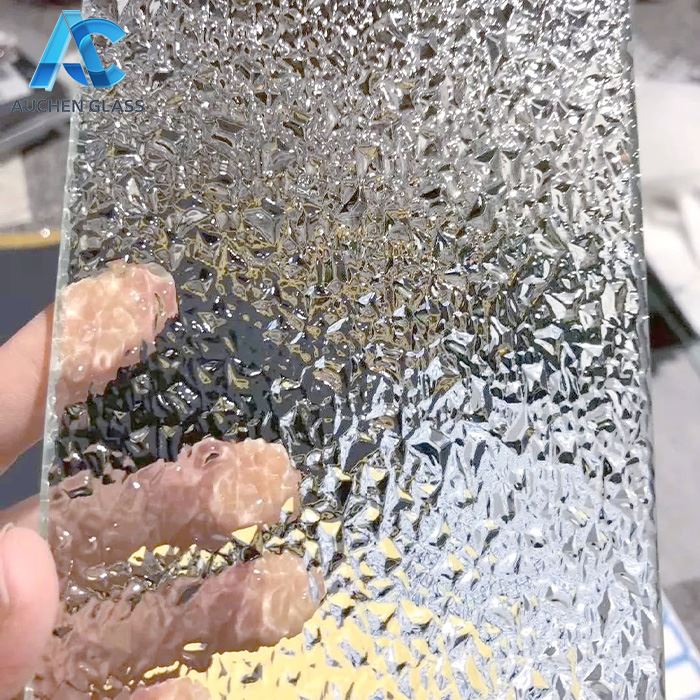
Rain Pattern Glass, with its distinct surface texture that mimics the look of raindrops, adds a touch of elegance to any space. However, if the glass lacks sufficient abrasion resistance, the pattern may become dull or scratched, diminishing its visual charm. Moreover, in some applications where the glass is used for safety or privacy reasons, a damaged surface can compromise its performance.

Factors Affecting the Abrasion Resistance of Rain Pattern Glass
- Glass Composition
The chemical composition of the glass plays a vital role in determining its abrasion resistance. Different types of glass are made from various combinations of silica, soda ash, limestone, and other additives. For Rain Pattern Glass, a well - formulated composition can enhance its hardness and durability. For instance, glasses with a higher percentage of silica tend to be harder and more resistant to abrasion. Some manufacturers may also add special compounds during the glass - making process to improve its scratch - resistant properties. - Surface Treatment
Surface treatments can significantly improve the abrasion resistance of Rain Pattern Glass. One common treatment is the application of a hard - coating. This coating forms a protective layer on the glass surface, making it more resistant to scratches from sharp objects. Another approach is thermal tempering. Figured Tempered Glass undergoes a heating and rapid cooling process that increases its strength and hardness. During this process, the surface of the glass is compressed, which not only makes it more resistant to abrasion but also enhances its safety characteristics. When tempered glass breaks, it shatters into small, relatively harmless pieces instead of large, sharp shards. - Pattern Design and Depth
The design and depth of the rain pattern on the glass can also affect its abrasion resistance. Patterns with a shallower depth may be more prone to abrasion compared to those with a deeper and more defined pattern. A well - crafted pattern can distribute the forces of abrasion more evenly across the glass surface, reducing the likelihood of concentrated wear in specific areas.
Testing the Abrasion Resistance of Rain Pattern Glass
To ensure that our Rain Pattern Glass meets the highest standards of abrasion resistance, we conduct a series of rigorous tests.
- Taber Abrasion Test
The Taber Abrasion Test is a widely recognized method for evaluating the abrasion resistance of materials. In this test, a sample of the Rain Pattern Glass is mounted on a rotating platform, and two abrasive wheels are applied to the surface under a specific load. The wheels rotate in opposite directions, creating a circular abrasion pattern on the glass. After a specified number of rotations, the change in the glass's optical properties, such as haze or gloss, is measured. A lower change in these properties indicates better abrasion resistance. - Scratch Resistance Test
We also perform scratch resistance tests using a set of different hardness pencils. These pencils have tips of varying hardness, and they are pressed against the glass surface at a specific angle and pressure. The pencil hardness at which the first visible scratch appears on the glass indicates its scratch resistance. This test helps us determine the maximum hardness of objects that the glass can withstand without getting scratched.
Application Considerations Based on Abrasion Resistance
- Indoor Applications
For indoor applications, such as interior partitions, shower enclosures, or decorative glass panels, Rain Pattern Glass with moderate abrasion resistance may be sufficient. In these settings, the glass is less likely to be exposed to severe abrasion. However, it is still important to choose glass with decent abrasion resistance to ensure its long - lasting beauty. For example, in a bathroom shower enclosure, the glass may be rubbed against during cleaning, and good abrasion resistance will prevent it from developing scratches or a dull appearance over time. Tempered Patterned Glass Door can be a great choice for indoor applications as it combines the aesthetic appeal of the rain pattern with enhanced strength and abrasion resistance. - Outdoor Applications
When Rain Pattern Glass is used outdoors, such as in windows of a building facade or in exterior glass partitions, it needs to have high abrasion resistance. Outdoor glass is exposed to harsh environmental conditions, including dust, sand, and wind - blown debris. It may also be subjected to manual cleaning methods that can cause abrasion. In these cases, glass with surface treatments like hard - coatings or tempering is essential. Choosing glass with high abrasion resistance will ensure that it retains its clarity and pattern integrity over the years, even in challenging outdoor environments.
Comparison with Other Patterned Glasses
Rain Pattern Glass is just one of the many types of patterned glasses available in the market. Let's compare its abrasion resistance with Nashiji Pattern Glass. Nashiji Pattern Glass has a different pattern design, which may affect the way it resists abrasion. While both types of glass can have good abrasion resistance if properly manufactured, the specific pattern and surface treatment can lead to differences. For example, if Nashiji Pattern Glass has a more complex pattern with many fine details, it may be more vulnerable to abrasion in those detailed areas compared to Rain Pattern Glass. On the other hand, if Nashiji Pattern Glass undergoes a more advanced surface treatment, it could potentially have better abrasion resistance.
Maintaining the Abrasion Resistance of Rain Pattern Glass
Even with high - quality Rain Pattern Glass, proper maintenance is crucial to preserve its abrasion resistance. When cleaning the glass, it is advisable to use soft, non - abrasive cloths and mild cleaning solutions. Avoid using harsh chemicals or abrasive sponges that can scratch the glass surface. Regular cleaning can remove dust and dirt particles that may act as abrasives over time.
Connect for Purchase and Consultation
If you are interested in our Rain Pattern Glass and want to know more about its abrasion resistance, or if you have any specific requirements for your projects, we are ready to assist you. Whether you are an architect, a contractor, or a homeowner, our team of experts can provide you with detailed information and guidance. You can visit our Rain Pattern Glass webpage to explore our product range further. We look forward to discussing your needs and providing you with the best solutions for your glass requirements.


